In the ever-expanding landscape of digital identities, your avatar isn't just a static image; it's a dynamic extension of yourself, a character, or a brand. The subtle shimmers, powerful bursts, or elegant trails accompanying your avatar – these are its effects. And crafting these "avatar effects" isn't just about technical wizardry; it's a profound exercise in applying time-honored artistic principles to create compelling, impactful, and unforgettable digital experiences. Fail to grasp these principles, and your avatar's actions might feel flat, confusing, or simply forgettable. Master them, and you unlock a new dimension of digital expression.
At a Glance: Crafting Compelling Avatar Effects
- Effects are Dynamic Storytellers: They convey emotion, status, and action instantly.
- Art Elements are Your Toolkit: Lines, shapes, colors, space, and form are the raw materials for any effect.
- Design Principles are Your Blueprint: Balance, contrast, emphasis, rhythm, unity, proportion, and variety guide how you use those elements.
- UX is King: Effects must enhance the user experience, providing clear feedback and reinforcing actions.
- Subtlety Can Be Powerful: Not every effect needs to be grand; often, the most effective are those that guide without overwhelming.
- Context Matters: The "right" effect depends entirely on the digital world it inhabits.
- Accessibility Isn't Optional: Design effects that everyone can perceive and understand.
Beyond Static: What Are Avatar Effects and Why Do They Matter?
When we talk about avatar effects, we're not just discussing the avatar's base model or clothing. We're diving into the dynamic visual (and sometimes auditory) cues that emanate from, surround, or interact with an avatar. Think of the glowing aura of a powered-up character, the magical incantation swirling around a spellcaster, the trails left by a speedster, or the gentle sparkle of a healing spell. These are all avatar effects.
Their importance in digital worlds��from video games and virtual reality to social media and professional metaverse platforms—cannot be overstated. Effects are the silent language of interaction, feedback, and personality. They communicate:
- Status: Is your character healthy, poisoned, or empowered? A color-changing aura or a pulsing glow can tell the tale instantly.
- Action: Is your avatar casting a spell, performing an emote, or taking damage? Dynamic visual effects confirm the action, making interactions feel responsive and impactful.
- Identity & Expression: An avatar's effects can deepen its personality, distinguishing a fiery warrior from an ethereal mage, or simply reflecting a user's chosen aesthetic.
- Immersion: Well-designed effects pull users deeper into the digital world, making it feel more alive and responsive to their presence.
In essence, avatar effects transform a static representation into a living, breathing, reacting entity. But how do you design these intangible visual moments to be both beautiful and functional? The answer lies in the timeless principles of art and design.
The Master Blueprint: Foundational Artistic Elements in Effect Design
Before we delve into the "rules" for how elements behave, let's quickly reacquaint ourselves with the fundamental building blocks—the raw materials—that comprise any visual effect.
- Line: The Path of Motion. In traditional art, a line defines boundaries. In effects, a line often dictates motion. Think of the trajectory of a projectile spell, the flowing path of a character's dash, or the implied lines of force in an impact. Straight lines convey speed or rigidity; curved lines, grace or organic movement; jagged lines, chaos or energy. The quality of these lines – their thickness, color, transparency, and animation – fundamentally shapes the effect's character.
- Shape: The Essence of Form. While an avatar itself has a shape, effects can create ephemeral shapes that convey meaning. A circular shockwave implies area of effect, a triangular burst suggests aggression, and organic, swirling shapes might hint at magical or elemental power. Effects use shapes that appear and disappear, deform, and interact to define their presence and purpose.
- Color: The Emotional Spectrum. Color is perhaps the most direct conveyor of emotion and information in effects. A red glow often signifies danger or damage; green, healing or growth; blue, magic or tranquility. But it’s not just about primary associations; subtle color shifts, gradients, and chromatic aberration can add depth, energy, or foreboding. The choice of palette can dramatically influence an effect's perceived power, mood, and impact.
- Space: Where Effects Unfold. Effects live in three-dimensional space, and how they interact with that space is crucial. Positive space is the actual visible effect itself (the fire burst, the healing aura). Negative space is the empty area around, within, or between effect components. Skillful manipulation of negative space can make an effect feel less cluttered, guide the eye, and enhance its visual impact. An effect might expand to fill space, or condense, creating a sense of pressure or containment.
- Form: Giving Illusion to the Intangible. Form adds the illusion of depth, volume, and mass. Even a flat 2D sprite can achieve form through clever shading, lighting, and perspective. For avatar effects, this means making a magical shield feel solid, a fire elemental feel volumetric, or a ghostly wisp appear to have substance, even if it's ethereal. Techniques like particle systems, volumetric shaders, and dynamic lighting are key tools here.
These elements are your basic toolkit. But how you arrange, combine, and animate them is where the "artistic principles" come into play.
The Art Director's Playbook: Core Principles for Stunning Avatar Effects
Now, let's explore how the fundamental principles of design, traditionally applied to static artwork, are adapted and amplified for the dynamic world of avatar effects.
Balance: Weighting the Unseen
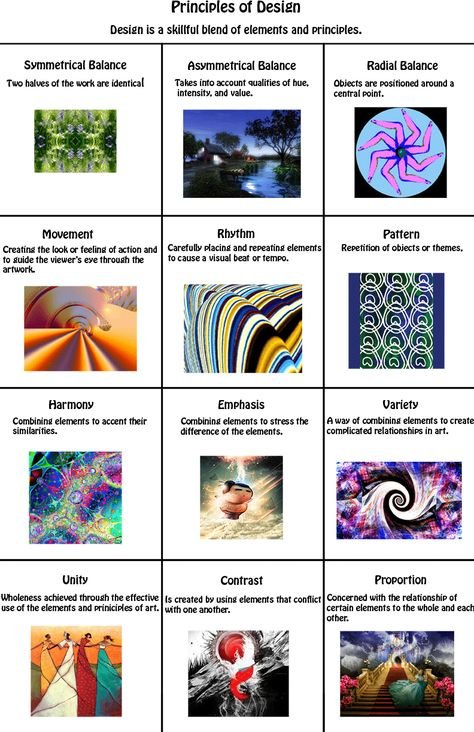
Balance refers to the visual distribution of elements within a composition. For effects, this isn't just about what's left or right, but how energy, light, and motion are distributed over time and space.
- Symmetrical Balance: Effects that mirror themselves, like a character's dual-glowing eyes or twin magical projectiles, can convey stability, power, or ritualistic energy. This feels predictable and often majestic.
- Asymmetrical Balance: Achieved by balancing disparate elements. A large, slow-moving effect on one side might be balanced by several small, fast-moving particles on the other. This creates a more dynamic, less rigid feeling, often used for more natural or chaotic energies.
- Radial Balance: Elements radiating from a central point, like an explosion or an area-of-effect aura, naturally draw the eye to the source. This is excellent for indicating origin or central impact.
Applied to Effects: An effect should feel stable and grounded in its purpose, even if it’s a chaotic explosion. A well-balanced effect won't feel lopsided or pull the viewer's eye away from the core action. If an effect has a strong visual "weight" (e.g., a bright flash), ensure it’s balanced by surrounding elements or fades appropriately.
Contrast: Making Moments Pop
Contrast is the juxtaposition of opposing elements to create visual interest and highlight specific features. In effects, this is about making things stand out, drawing attention, and conveying information clearly.
- Color Contrast: Pairing complementary colors (e.g., blue and orange for a magical portal) or light and dark colors (a bright flash against a dark aura). This is essential for readability and emotional impact.
- Size Contrast: A huge, slow effect followed by small, fast particles, or vice versa. This can dramatically emphasize the scale of an event.
- Speed/Temporal Contrast: A sudden burst after a slow build-up, or a rapid fade after a lingering presence. This controls the pacing and perceived intensity of an effect.
- Form/Texture Contrast: Smooth, flowing energy contrasted with sharp, jagged debris. This adds depth and complexity to the visual narrative.
Applied to Effects: Contrast is your primary tool for creating a focal point within an effect, differentiating it from the background, and making it immediately understandable. A healing effect might use high contrast to show its restorative power, while a stealth effect would use low contrast to minimize visibility.
Emphasis: Guiding the Gaze
Emphasis is the principle of making certain elements stand out to attract the viewer's attention and guide their focus. For avatar effects, emphasis tells the user "look here, this is important!"
- Size & Scale: Larger, more prominent effects naturally draw the eye. A character’s ultimate ability will have more emphasis than a standard attack.
- Brightness & Color: Brighter, more saturated colors, especially when contrasted with surroundings, naturally become focal points. A critical hit glow will be brighter.
- Motion & Speed: The fastest or most unique motion in a scene will capture attention. A sudden, unique animation sequence in an effect signals importance.
- Isolation: An effect that briefly stands alone, perhaps by momentarily clearing other visual noise, can powerfully emphasize an action.
Applied to Effects: Every effect should have a clear point of emphasis, whether it's the point of impact, the source of the magic, or the critical feedback it's providing. Without emphasis, effects can become a jumbled mess of visual information, leading to confusion rather than clarity. The goal is to guide the user's eye to what matters most at that precise moment.
Rhythm & Movement: The Dance of Digital Life
Rhythm in art refers to the repetition of visual elements to create a sense of movement and flow. For avatar effects, movement is the essence, and rhythm dictates its pulse, pace, and energy.
- Repetition: Repeating a particle type, a color flash, or a specific motion pattern creates visual rhythm. Think of the consistent pulsing of a protective shield or the recurring sparks from an electrical aura.
- Alternation: Changing between two or more elements (e.g., a rapid light-dark pulse) creates a more dynamic rhythm, often signaling urgency or power.
- Progression: Gradual changes in size, speed, or color create a sense of progression, such as a spell gathering power or an effect gradually fading away. This builds anticipation or signifies completion.
- Flow: The natural, unbroken movement of elements, like smoke swirling or water rippling, guides the eye seamlessly through the effect's duration.
Applied to Effects: Rhythm and movement are vital for conveying the feeling of an effect. A calm, gentle rhythm might indicate healing or a passive buff, while a frantic, irregular rhythm could signify danger or a powerful explosion. The timing, easing (acceleration/deceleration), and direction of motion are all critical components of an effect's rhythm. You can learn more about how visual effects enhance digital experiences and drive engagement by exploring how avatar effects bring digital worlds to life.
Unity & Variety: Cohesion Amidst Chaos
Unity ensures that all elements in a design feel like they belong together, working towards a cohesive whole. Variety, on the other hand, introduces diversity and interest to prevent monotony. For effects, this means ensuring they fit the overall aesthetic of the digital world while still being unique.
- Unity: All effects associated with a particular avatar, faction, or magic type should share a consistent visual language (e.g., same particle shapes, similar color palettes, consistent motion styles). This reinforces branding and helps users quickly identify sources.
- Variety: While unified, individual effects need enough variation to distinguish them from each other and keep the experience fresh. A fire spell shouldn't look exactly like a frost spell, even if they both use similar "magic particle" assets. Introducing new shapes, unique color gradients, or distinct motion patterns provides this interest.
Applied to Effects: A strong sense of unity makes an avatar's abilities feel like they come from the same source, enhancing believability. Variety ensures that each new effect feels exciting and distinct, preventing players from becoming visually fatigued. The best effects strike a delicate balance between these two principles.
Proportion & Scale: Feeling the Impact
Proportion refers to the relative size of elements within a composition, and how they relate to the whole. Scale is how an object's size relates to actual size or other objects. In effect design, these principles dictate perceived power and dramatic impact.
- Proportion: The individual components of an effect (e.g., how big are the sparks compared to the main fire blast?) should be proportionate to each other to create a believable visual.
- Scale: How large is the effect itself relative to the avatar and the environment? A small healing sparkle implies a minor buff, while a screen-shaking explosion conveys immense power. Manipulating scale can evoke emotions from awe to vulnerability. An effect might start small and scale up dramatically, or vice-versa.
Applied to Effects: Proportion and scale are crucial for communicating the "oomph" factor of an ability. A small bubble shield won't feel as protective as a massive, shimmering barrier. Exaggerating scale can create dramatic impact, a technique often used in games to make powerful abilities feel truly epic.
Space & Form: Sculpting the Intangible
We touched on these as elements, but as principles, they involve how you sculpt and manipulate the void and the illusion of solidity.
- Manipulating Space: How an effect fills, clears, or defines space around the avatar. A telekinetic push might clear space around an enemy, while a defensive aura occupies space around the avatar. The interaction between positive (the effect itself) and negative (the surrounding emptiness) space can create visual tension or relaxation.
- Building Form: How an effect creates the illusion of a three-dimensional entity, even if it's composed of 2D sprites. This involves clever layering, particle distribution, and dynamic lighting and shading to give volume to energy, smoke, or spectral entities. A well-designed effect can make a flat burst feel like it has real depth and impact.
Applied to Effects: Thinking about how effects sculpt space and create form helps designers craft more immersive and believable interactions. It transforms abstract energy into something that feels tangible, even if just for a fleeting moment.
Crafting Engagement: Best Practices for Avatar Effect Design
Understanding the principles is one thing; applying them effectively in the messy reality of game development or social platform design is another. Here are some best practices to guide your creative process:
- Prioritize Clarity over Flashiness: An effect, no matter how beautiful, fails if it doesn't clearly communicate its purpose. Does it tell the user: "You hit the enemy"? "You're taking damage"? "Your ability is on cooldown"? If the answer isn't a resounding yes, redesign for clarity.
- User Experience (UX) is Paramount: Effects are a core part of the user interface (UI). They provide crucial feedback.
- Immediate Feedback: Actions should have instant, satisfying visual responses.
- Legibility: Effects shouldn't obscure important UI elements or critical gameplay information.
- Intuitive Meaning: A player should understand what an effect means without needing a tutorial.
- Contextual Relevance is Key: What works for a gritty, realistic combat simulator won't work for a whimsical social game. The style, intensity, and color palette of your effects must align perfectly with the overall art direction and tone of your digital world. An ethereal glow might fit a fantasy RPG, but a harsh data overlay would be more appropriate for a cyberpunk setting.
- Balance Realism with Stylization:
- Realism: Can be incredibly immersive, often demanding complex simulations (e.g., realistic fire, water).
- Stylization: Often more timeless, expressive, and performant. Exaggeration can enhance emotional impact.
The choice depends on your project's goals. Often, a blend (stylized realism) offers the best of both worlds.
- Accessibility and Inclusivity Matter:
- Color Blindness: Avoid relying solely on color to convey critical information. Use shape, motion, and intensity cues as well.
- Motion Sensitivity: Provide options to reduce screen shake, flashing lights, or excessive particle density for users prone to motion sickness or photosensitivity.
- Diverse Representation: Ensure your effects are designed to work well with a wide range of avatar customization options, avoiding unintended visual glitches or biases.
- Performance Optimization is Non-Negotiable: Beautiful effects mean nothing if they cripple the user's frame rate. Learn to create visually stunning effects with efficient particle counts, optimized shaders, and smart texture usage. Iterate and profile aggressively.
- Iterate, Test, and Gather Feedback: Effect design is rarely a one-shot process. Create a version, test it in context, get feedback from users or fellow designers, and refine. What looks great in isolation might fall apart in a busy scene.
- Subtlety Can Be Powerful: Not every effect needs to be a grand spectacle. Sometimes, a gentle shimmer, a subtle change in an aura, or a brief, crisp particle burst can be more impactful than an over-the-top explosion, especially for common actions. These subtle cues are essential for a smooth and enjoyable user experience.
Common Questions & Creative Challenges
- "How do I make my effects feel powerful?"
Focus on contrast (especially brightness and scale), rhythm (a slow build-up to a sudden, impactful burst), and exaggerated scale. Add secondary elements like screen shake, camera effects, and sound design to amplify the perceived power. - "What if I'm not an artist? Can I still design good effects?"
Absolutely! Many tools abstract away complex technicalities, letting you focus on principles. Start by analyzing effects you admire. Break them down: what colors, shapes, and motions are used? How do they balance? Focus on clarity and communication first. Even simple shapes and colors, guided by strong principles, can be highly effective. - "Can effects be subtle yet impactful?"
Yes, and often they should be. Subtle effects (e.g., a faint aura indicating a passive buff, a slight shimmer on a protected character) are crucial for non-disruptive feedback. They achieve impact through their clarity, their contextual relevance, and their ability to integrate seamlessly without distracting from primary action. They often rely on color shifts, gentle movement, and light rather than overt explosions. - "How do I prevent my effects from looking generic?"
Develop a strong, consistent art style unique to your digital world. Experiment with unusual color palettes, unique particle shapes (don't just use default circles), and distinctive motion patterns. Combine elements in unexpected ways, always keeping your core principles and aesthetic in mind. Research different art movements for inspiration (e.g., impressionistic effects, abstract geometric effects).
Bringing Your Avatars to Life: A Design Checklist for Dynamic Digital Presence
Designing compelling avatar effects is a blend of technical skill and artistic intuition. By grounding your work in the foundational principles of art, you elevate mere visual cues into powerful narrative and interactive tools.
As you embark on your next effect design journey, consider this checklist:
- Define Purpose: What information or emotion must this effect convey? (e.g., damage, healing, status, expression).
- Element Audit: Which lines, shapes, colors, spaces, and forms will you use? How will they animate?
- Principle Application:
- Is the effect balanced (symmetrically or asymmetrically)?
- Does it use contrast to highlight key information or dramatic moments?
- Is there a clear point of emphasis?
- Does its rhythm and movement match the intended feel (calm, frantic, powerful)?
- Does it maintain unity with the overall art style while offering enough variety?
- Is its proportion and scale appropriate for its perceived power and impact?
- How does it occupy and sculpt space and form?
- User Focus: Is it clear, intuitive, and unobtrusive? Does it enhance the user's experience?
- Performance Check: Is it optimized to run smoothly across target devices?
- Test and Refine: Does it look good in motion, in context, and with other effects?
Ultimately, the goal is to make your avatars feel more alive, more expressive, and more connected to the digital worlds they inhabit. By thoughtfully applying these artistic principles, you're not just creating pretty visuals; you're crafting meaningful experiences. So go forth, experiment, and sculpt the unseen magic that makes digital worlds truly engaging.